
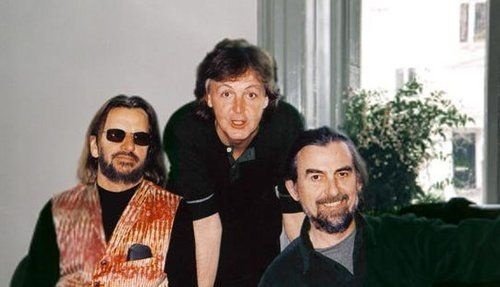
Why did George Harrison and Paul McCartney not get along?
Immediately after the breakup of the Beatles in 1970 the two were barely on speaking terms as Harrison had a great deal of anger and resentment over how he was treated while in the band. After Brian Epstein’s death in 1967 McCartney more or less asserted himself as a replacement to keep the band productive, on track, and successful. But McCartney was a stern taskmaster and soon was at odds with the other band members, particularly Harrison. McCartney and Lennon took a very paternalistic view of Harrison as a “junior partner” as did producer George Martin. The band limited how many Harrison songs would be on an album and rejected several very good songs he had written.
Harrison was also a perfectionist and would take time on his guitar solos whereas McCartney just wanted him to bash them out and would often resort to telling Harrison what he wanted, which frustrated Harrison immensely. When the band broke up Harrison wound up taking so many of the rejected songs along with newer ones he’d written and put them out as his first post-breakup album All Things Must Pass (1970) which was an enormous success.
Harrison had indicated he would gladly play in a band with Lennon and Starr, but soon his relationship with Lennon soured as well. It was at this point that Harrison became quite adamant that he was not interested in a Beatles reunion and was quite consistent about having no interest until the time he passed. McCartney never appeared on a solo album of Harrison’s and Harrison never appeared on any of McCartney’s albums either. But once all of the lawsuits involving the Beatles were resolved during the mid-1970s Harrison and McCartney were soon back on speaking terms, but it was clear that was the case so long as it didn’t involve studio work together or anything regarding the Beatles.
It was clear that Harrison wanted to close the door on that part of his past. But fate would intervene once John Lennon was murdered in 1980. Harrison had been working on the song “All Those Years Ago” for Ringo Starr’s next album, but Starr wasn’t happy with result as he felt it was too high a register for his voice and so the song was shelved. After Lennon’s murder Harrison retooled the song with Starr drumming and Paul and Linda McCartney providing backing vocals, marking the first time the three had performed on a single since the end of the Beatles.
But Harrison made it clear this single was a one-off and not the door opening to more involvement in the studio with McCartney. The song was produced by Harrison along with Ray Cooper and tightly limited McCartney’s involvement. When Lennon’s widow, Yoko Ono, gifted the remaining Beatles with three demos Lennon left behind the door again opened to the three remaining Beatles working together. This time however they tapped ELO front man Jeff Lynne, a close friend of Harrison’s, to produce the tracks. This was likely a concession to get Harrison onboard for the project. The demos were of poor quality and it took considerable effort by Lynne and the three remaining Beatles to create two songs worth of the Beatles name. But Harrison balked at trying to create a song out of the third demo saying it wasn’t good enough to be suitable.
Undoubtedly Harrison agreed to creating “Free As A Bird” and “Real Love” to honor Lennon and what he meant to them all, but more importantly he knew it was a close ended obligation. Once the songs were done that was it, it wasn’t the door opening to doing more with the remaining Beatles. And with that task completed Harrison and McCartney could both go back about living their lives and not having to deal with Beatles related issues that triggered old lingering wounds. But the friendship between the two deepened after the Beatles Anthology and perhaps McCartney made amends for past behavior towards Harrison. As Harrison was battling against the cancer that killed him McCartney arranged for him to stay at his home in Los Angeles to be closer to treatment and in an environment Harrison appreciated and needed.


0 Comments