
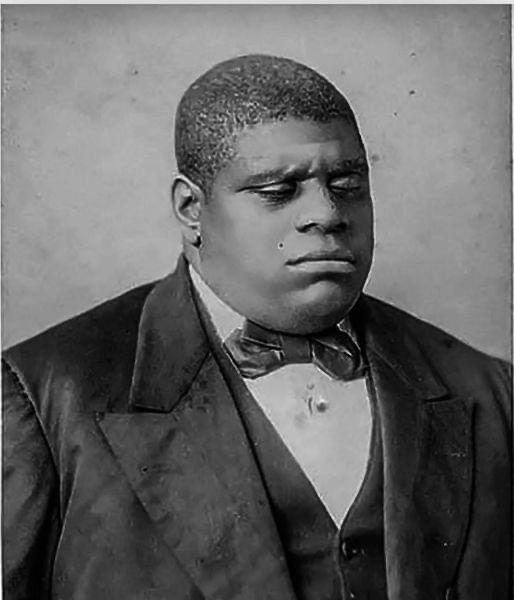
Thomas “Blind Tom” Wiggins was born in 1849 in Columbus, Georgia, at a time when slavery was still practiced in the United States. He was born blind, and because of that, many people around him assumed he would never be able to work or be “useful” in the way enslaved people were expected to be. Tragically, some even believed he was a burden. There is a story that one person tried to kill him when he was a baby because they thought he had no value—but Tom survived.
Discovering His Extraordinary Gift
When Tom was still a young child, he started showing signs of an extraordinary ability. He was extremely sensitive to sound. He could recognize patterns, rhythms, and melodies after hearing them only once. One day, he found a piano in the house where he and his family were enslaved. Even though no one had taught him how to play, Tom immediately began copying the sounds he heard and playing them perfectly.
His owners were amazed. This child—who they had once dismissed as worthless—had an unbelievable musical gift. He could listen to a piece of music just one time and then repeat it exactly, note for note. Soon, people realized that Tom was not only talented but a true musical prodigy.
A Mind Like a Living Recorder
Tom’s memory was phenomenal. He could remember thousands of pieces of music, from complex classical compositions to simple tunes. People would challenge him by playing new pieces, sometimes extremely difficult ones, and he would reproduce them instantly. He could even imitate sounds like birds, animals, machinery, and thunderstorms on the piano.
Today, many experts believe Tom may have been on the autism spectrum. His deep focus, sensory abilities, and powerful memory resemble characteristics seen in some autistic savants—individuals with exceptional talent in specific areas.
Life as a Touring Performer
Tom’s owners began taking him around the country to perform. Although he was still enslaved for many years, his concerts attracted huge audiences. People were fascinated and often astonished by what he could do.
He performed across the United States, Canada, the Caribbean, and even Europe. During the Civil War era, he became one of the most famous musicians in America. Despite his fame, most of the money went to his owners and managers, not to Tom himself.
Even after slavery ended in 1865, Tom was placed under legal guardianship, and others continued to control his life and earnings. He spent most of his adulthood performing constantly under the management of people who profited from his talent.
A Legacy That Reaches Into the Modern World
Tom Wiggins died in 1908, but his influence did not end there. Over a century later, many musicians and historians rediscovered his story. Among those inspired by Tom was the legendary singer and composer Elton John, who wrote a musical piece to honor him. Tom’s life continues to be studied for the way it highlights both the brilliance of neurodivergent minds and the painful history of slavery in America.
Why His Story Matters
“Blind Tom” Wiggins is remembered not only for his unmatched musical ability but also for his resilience. Born into slavery, dismissed because of his blindness, and misunderstood by society, he still managed to become one of the greatest musical prodigies of the 19th century. His life reminds us that extraordinary talent can come from the most unexpected places—and that every human being has value, no matter their circumstances.


0 Comments