
In medieval times, across many parts of the world, menstruation was managed using whatever natural materials were available—usually cloth, wool, moss, or folded linen. In India, too, women largely depended on washable cotton cloth pads long before disposable products existed.
In Kerala, however, there was a particularly unique and elegant method of managing menstruation, closely connected to a traditional undergarment called the onnara mundu.
What Was the Onnara Mundu?
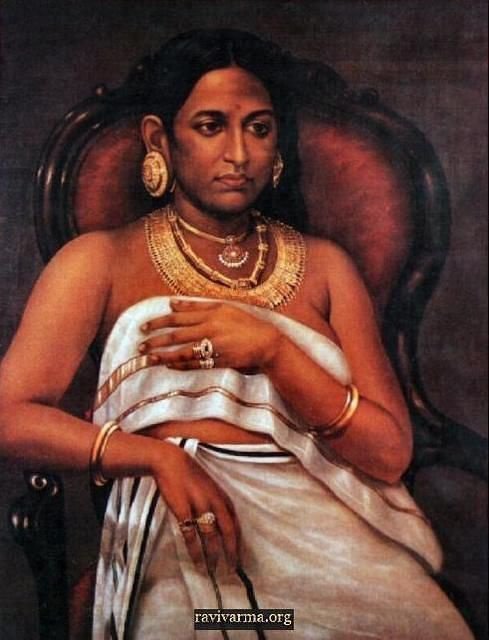
Up until around fifty years ago, most women in Kerala wore a special undergarment known as the onnara mundu, which literally means “one-and-a-half loincloth.”
It was made of soft, thin cotton and wrapped around the waist in a precise, almost artful manner.
Before puberty, girls usually wore a simple loincloth called the konakam. When a girl reached menstruation age, her family held a small ceremony to mark her transition into womanhood. Along with the celebration came a new garment: the onnara mundu.
This shift wasn’t just symbolic—it represented maturity, beauty, modesty, and womanly grace.
Why Was the Onnara Mundu Important?
Historically in Kerala, women didn’t always cover the upper body, so physical beauty was not judged based on the chest the way it later came to be.
Instead, more importance was placed on:
- the waist,
- the hips,
- the elegance of the lower body,
- and the shape created by the onnara mundu.
The garment was wrapped firmly but comfortably, shaping the waist much like a Western corset—but without the rigid bones or discomfort. It was breathable, soft, and easy to move in.
Women wore their main clothing, the mundu, over this underlayer. Interestingly, the faint outline of the onnara mundu beneath the outer cloth was considered attractive.
How Women Managed Menstruation With It
During their periods, women used folded, thick cotton pads. These pads were:
- placed inside the onnara mundu,
- held firmly in place due to the tight wrapping,
- easily absorbent,
- and washable and reusable.
Because the onnara mundu fit snugly, the pads didn’t shift or fall out—something that must have been incredibly useful in daily life. After use, the pads were washed, boiled or sun-dried, starched, and reused until they eventually wore out.
For many women, this system was simple, hygienic, and effective.
A Living Tradition
The tradition survived well into the late 20th century. Many older women still remember the comfort and practicality of the onnara mundu. You mentioned that you yourself wore it during your own coming-of-age ceremony—and found it remarkably comfortable. That personal experience reflects how deeply connected this garment was to Kerala’s cultural identity.
Though similar garments may have existed in other parts of India, their styles and meanings varied, and the onnara mundu is considered distinctly Keralite.
Conclusion
So, in medieval Kerala—and even up to a few generations ago—menstruation was handled with a combination of traditional clothing and reusable cotton pads. The onnara mundu served not only as underwear but also as a supportive garment that made period management practical and dignified.


0 Comments