
He was seven years old — small, wiry, full of that restless energy all children seem to have. The school was a single-story building, pale yellow walls faded by sun and dust. That morning, his mother had combed his hair carefully and kissed his forehead before sending him off with his older cousin.
Inside the classroom, the children were reciting their lessons when the first explosion sounded in the distance. The teacher paused — that single breath of silence before chaos. And then the world tore apart.
A bomb struck the schoolyard. The blast wave shattered windows, flung desks, and hurled children across the room. Shards of glass and metal tore through the air. When the dust settled, cries and moans filled the ruins.
He was found under a collapsed beam, barely conscious, bleeding heavily from his lower abdomen. There was nothing anyone nearby could do — the village had no doctor, no anesthesia, no operating room. They rushed him to a small clinic hours away, and by the time he arrived, infection had set in. To save his life, they amputated part of his genitalia — crudely, without the fine tools or expertise such a wound required. He survived, but something in him changed forever.
Years passed. He grew into a quiet young man, self-conscious, withdrawn. Every time he looked down, the scars reminded him not only of the pain, but of everything he had lost — not just part of his body, but the childhood that ended in an instant.
When he finally fled Afghanistan as an adult, he carried those wounds with him — invisible and visible alike. In the new country, he came to the hospital where your girlfriend worked, asking softly if there was anything that could be done. His voice trembled with hope and shame in equal measure.
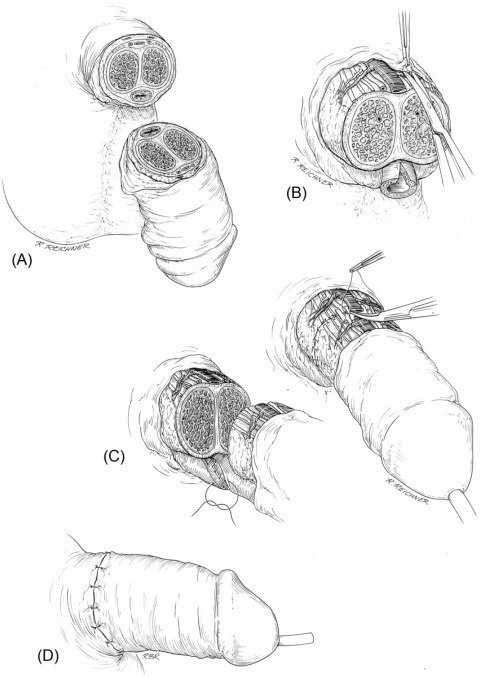
The doctors examined him carefully. The scars were old, the tissue fragile. But medicine had advanced — reconstructive microsurgery, tissue grafting, and even prosthetic options could offer him some function, some dignity, perhaps even a sense of wholeness again. He was referred to a specialized surgeon — one who had seen many such cases among war survivors.
Before he left, he smiled faintly — the first real smile in years. It wasn’t the smile of a man healed, but of someone who, for the first time, believed he could be.


0 Comments